



As a supplier of plastic mess kits, I've witnessed firsthand the widespread use and popularity of these products. They're lightweight, affordable, and come in a variety of shapes and sizes, making them a go - to choice for many outdoor enthusiasts, military personnel, and budget - conscious consumers. However, like any product, plastic mess kits have their fair share of disadvantages. In this blog post, I'll delve into some of the drawbacks associated with plastic mess kits.
Environmental Impact
One of the most significant disadvantages of plastic mess kits is their environmental impact. Plastic is a non - biodegradable material, which means it can take hundreds of years to break down in the environment. When plastic mess kits are discarded, they often end up in landfills, where they can release harmful chemicals into the soil and groundwater over time. Additionally, a large amount of plastic waste finds its way into our oceans, posing a serious threat to marine life. Animals such as turtles, seabirds, and fish can mistake plastic debris for food, leading to ingestion and entanglement, which can cause injury, starvation, and even death.
The production of plastic mess kits also requires a substantial amount of fossil fuels. The extraction and processing of these fuels contribute to air pollution, greenhouse gas emissions, and climate change. Moreover, the manufacturing process often involves the use of toxic chemicals, which can have adverse effects on the health of workers and the surrounding environment.
Health Concerns
Another major drawback of plastic mess kits is the potential health risks they pose. Many plastics contain chemicals such as bisphenol A (BPA) and phthalates, which are known endocrine disruptors. These chemicals can leach into food and beverages when the plastic is exposed to heat, acidic substances, or over time with normal wear and tear. Once ingested, they can interfere with the body's hormonal system, leading to a range of health problems, including reproductive issues, developmental disorders, and an increased risk of certain cancers.
Even plastics that are labeled as "BPA - free" may not be entirely safe. Some alternative chemicals used in these products can have similar endocrine - disrupting effects. Additionally, when plastic mess kits are scratched or damaged, bacteria can accumulate in the crevices, increasing the risk of foodborne illnesses.
Durability and Long - Term Use
While plastic mess kits are generally lightweight and inexpensive, they are not as durable as other materials such as stainless steel or enamel. Plastic can crack, break, or become brittle over time, especially when exposed to extreme temperatures or rough handling. This means that plastic mess kits may need to be replaced more frequently than their metal or enamel counterparts, which can end up being more costly in the long run.
In outdoor settings, plastic mess kits may not hold up well against sharp objects or heavy impacts. For example, if you're camping and accidentally drop your plastic mess kit on a rocky surface, it's likely to crack or break. This lack of durability can be a significant inconvenience, especially when you're relying on your mess kit for meals during an extended outdoor trip.
Aesthetic and Perceived Quality
Plastic mess kits often have a lower aesthetic appeal compared to other materials. They can look cheap and flimsy, which may not be suitable for more formal or high - end settings. For military applications, where a certain level of professionalism and quality is expected, plastic mess kits may not convey the right image.
Moreover, the perceived quality of plastic mess kits can affect their marketability. Consumers may be more likely to choose a mess kit made of a more premium material, even if it costs more, because they believe it will last longer and perform better. This can make it challenging for plastic mess kit suppliers to compete in the market, especially in the higher - end segments.
Limited Heat Resistance
Plastic mess kits have limited heat resistance. They cannot be used directly on a stove or in an oven without the risk of melting or warping. This restricts their functionality, especially in outdoor cooking scenarios where you may want to cook your food directly in the mess kit. For example, if you're camping and want to fry an egg or boil water in your mess kit, you'll need to transfer the food or liquid to a separate heat - resistant container, which can be inconvenient.
Even when using plastic mess kits to hold hot food or beverages, there is a risk of the plastic softening or releasing chemicals if the temperature is too high. This means that you need to be extra cautious when handling hot items in plastic mess kits, and you may need to wait for the food or drink to cool down before using the kit.
Compatibility with Different Foods
Plastic mess kits may not be suitable for all types of foods. Some plastics can absorb odors and flavors from strong - smelling foods, which can be difficult to remove. This means that if you use your plastic mess kit to store or cook foods such as garlic, onions, or curry, the smell may linger in the kit, affecting the taste of future meals.
Additionally, acidic or oily foods can react with certain types of plastics, causing the plastic to break down and release chemicals. This can not only affect the safety of the food but also the integrity of the mess kit itself.

Recycling Challenges
Although recycling is often touted as a solution to the plastic waste problem, recycling plastic mess kits can be challenging. There are many different types of plastics, and not all of them are recyclable in every area. Some recycling facilities may not accept certain types of plastic mess kits, or they may require the plastic to be separated into different categories, which can be confusing for consumers.
Even when plastic mess kits are recycled, the process is often energy - intensive and may not result in a high - quality recycled product. In many cases, recycled plastic is of lower quality than virgin plastic, which means that it may not be suitable for use in new mess kits. This can lead to a cycle of continuous production and disposal, further contributing to the plastic waste problem.
Market Competition and Consumer Preferences
In the mess kit market, plastic mess kits face stiff competition from other materials. As consumers become more environmentally and health - conscious, they are increasingly looking for alternatives to plastic. Stainless steel mess kits, for example, are known for their durability, safety, and eco - friendliness. Enamel mess kits also offer a classic look and good heat resistance.
Consumer preferences are shifting towards products that are sustainable, healthy, and of high quality. This means that plastic mess kit suppliers need to work harder to differentiate their products and convince consumers of their value. However, given the numerous disadvantages associated with plastic mess kits, this can be a difficult task.
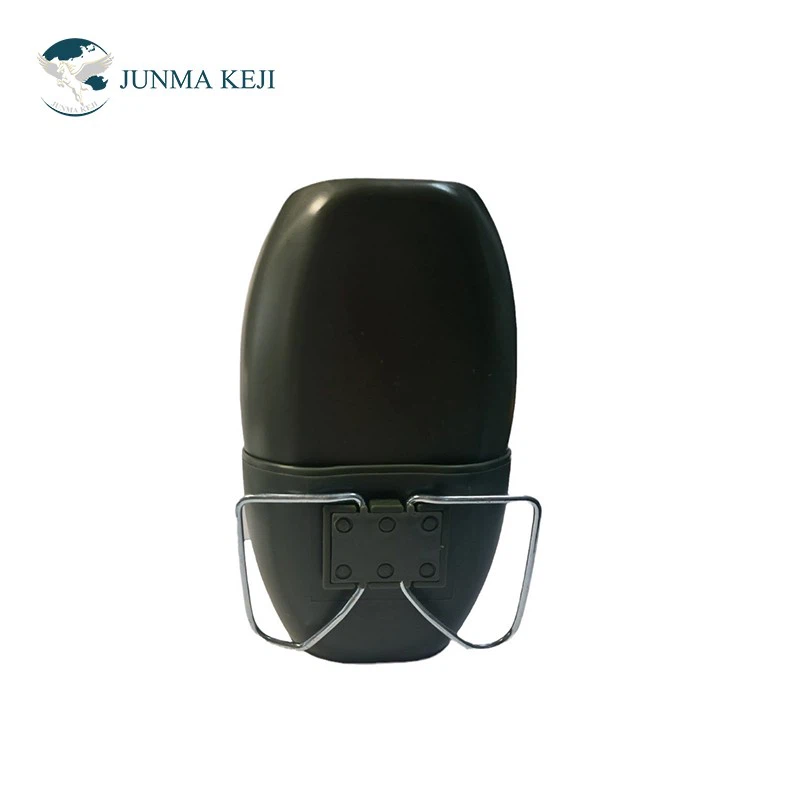
Despite these disadvantages, plastic mess kits still have their place in the market. They are an affordable option for those on a tight budget, and their lightweight nature makes them ideal for backpacking and other activities where weight is a concern. If you're interested in our Camping Plastic Mess Kit or Plastic Military Outdoor Mess Kit, we're open to discussing your specific needs and requirements. Whether you're a retailer looking to stock our products or an individual in need of a reliable mess kit, we're here to assist you. Contact us to start a procurement discussion and find out how our plastic mess kits can meet your needs.
References
- "The Story of Stuff" by Annie Leonard
- "Plastics and Human Health: A Micro to Macro Challenge" by John S. Meeker and Shanna H. Swan
- "The New Plastics Economy: Rethinking the Future of Plastics" by the Ellen MacArthur Foundation