



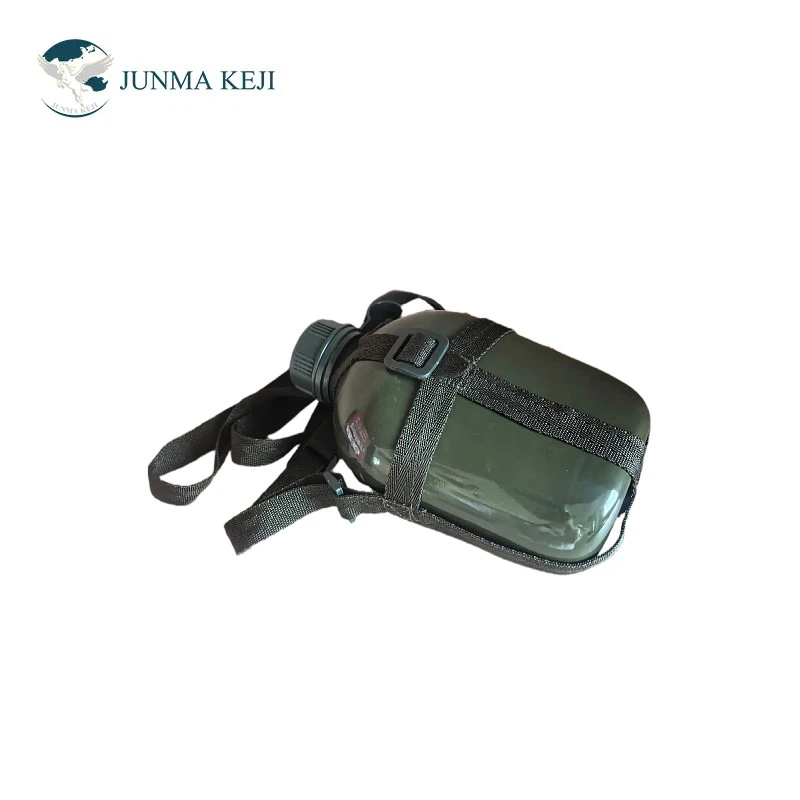
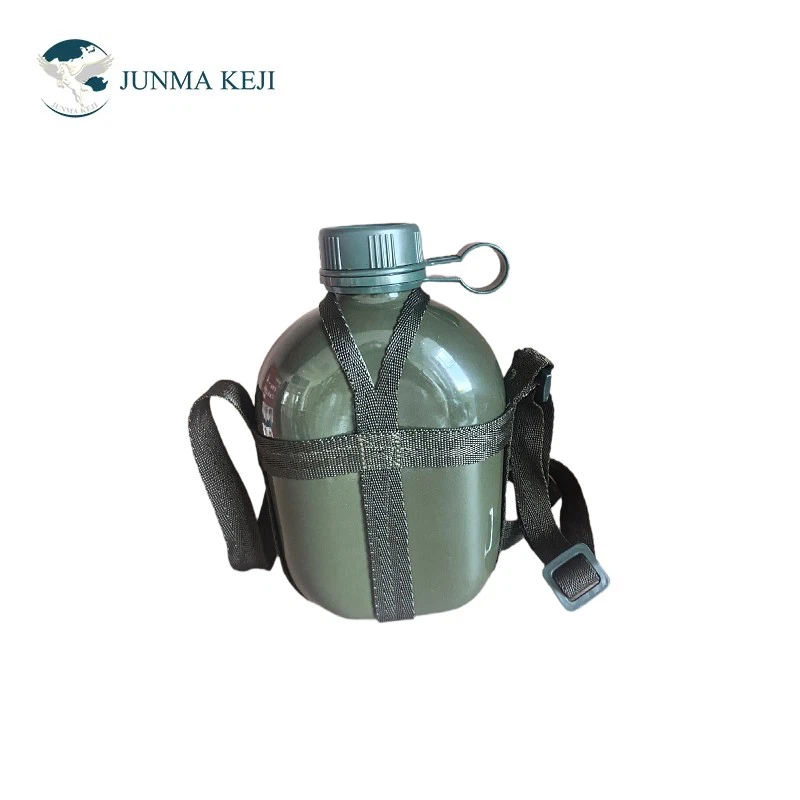
Storing a US Military Kettle properly when it's not in use is crucial to maintain its functionality and longevity. As a trusted US Military Kettle supplier, I understand the importance of providing not only high - quality products but also valuable information on their care and maintenance. In this blog, I'll share some scientific and practical ways to store your US Military Kettle effectively.
1. Cleaning the Kettle Thoroughly
Before storing the kettle, a comprehensive cleaning is essential. Any leftover water, dirt, or debris can lead to the growth of bacteria, mold, or cause corrosion over time.
- Empty the Kettle: First, pour out all the remaining water from the kettle. If there are any solid particles, such as sand or food residue, shake the kettle gently to dislodge them.
- Wash with Mild Detergent: Fill the kettle with warm water and add a small amount of mild dish - washing detergent. Use a soft sponge or a bottle brush to scrub the interior and exterior of the kettle. Pay special attention to the corners and the spout where dirt can accumulate.
- Rinse Completely: After scrubbing, rinse the kettle thoroughly with clean water several times to ensure that no detergent residue remains. Residual detergent can affect the taste of the water when you use the kettle next time and may also cause damage to the kettle's material.
- Dry the Kettle: Let the kettle air - dry completely. You can place it upside - down on a clean towel or a drying rack to allow any remaining water to drain out. Make sure there is no moisture left inside the kettle, as this can lead to rust and mold growth.
2. Choosing the Right Storage Location
The storage location plays a significant role in preserving the kettle's condition.
- Cool and Dry Place: Find a storage area that is cool and dry. High humidity can cause rusting, especially if the kettle is made of metal. A basement or a garage that tends to be damp is not a good choice. Instead, consider a closet in your living room or a storage cabinet in a dry pantry.
- Avoid Direct Sunlight: Prolonged exposure to direct sunlight can cause the kettle's paint or coating to fade and may also weaken the material. If possible, store the kettle in a place where it won't be exposed to sunlight, such as inside a closed cabinet.
- Safe from Physical Damage: Ensure that the storage location is free from potential sources of physical damage. Avoid placing the kettle in an area where it can be knocked over or crushed by other objects. You can use a dedicated storage box or a shelf to keep the kettle safe.
3. Protecting the Kettle
Taking extra steps to protect the kettle during storage can further extend its lifespan.
- Use a Protective Cover: If your kettle comes with a protective cover, use it during storage. The cover can prevent scratches and dust from accumulating on the kettle. If you don't have a cover, you can use a soft cloth or a plastic bag to wrap the kettle.
- Store Separately: If you have multiple kettles or other items in the storage area, store the kettle separately to avoid scratches and dents. You can place it in a dedicated compartment or use dividers to keep it away from other objects.
4. Considering the Kettle's Material
The material of the kettle also affects the storage method.
- Aluminum Kettles: Aluminum kettles are lightweight and resistant to corrosion to some extent. However, they can still be scratched easily. When storing an aluminum kettle, make sure to keep it away from sharp objects. You can refer to our Camping Military Flask and Army Water Canteen products, which are made of high - quality aluminum. To prevent oxidation, you can apply a thin layer of food - grade mineral oil on the exterior of the kettle after it's completely dry.
- Stainless Steel Kettles: Stainless steel kettles are more durable and resistant to rust. But they can still develop water stains if not stored properly. After cleaning and drying, you can use a stainless - steel cleaner to polish the kettle and then store it in a dry place. Our Tactical Canteen is a great example of a high - quality stainless - steel kettle.
- Plastic Kettles: Plastic kettles can become brittle over time, especially if exposed to high temperatures. Store plastic kettles in a cool place to prevent them from warping. Avoid storing them near heat sources such as heaters or stoves.
5. Periodic Inspection
Even when the kettle is in storage, it's a good idea to conduct periodic inspections.
- Check for Damage: Every few months, take out the kettle and check for any signs of damage, such as rust, cracks, or leaks. If you notice any issues, address them immediately. For example, if there is a small rust spot on a metal kettle, you can use a rust remover to clean it.
- Re - clean if Necessary: If you find that the kettle has accumulated dust or if there are signs of moisture inside, re - clean and dry the kettle before putting it back in storage.
Why Choose Our US Military Kettles
As a leading supplier of US Military Kettles, we offer a wide range of high - quality products that are designed to meet the needs of various users. Our kettles are made from premium materials, ensuring durability and functionality. Whether you are a camper, a military enthusiast, or someone who needs a reliable water - carrying solution, our products are the perfect choice.
We also provide excellent customer service. If you have any questions about our products, including storage and maintenance, our team of experts is always ready to assist you.
Contact Us for Procurement
If you are interested in purchasing our US Military Kettles, we welcome you to contact us for procurement discussions. We offer competitive prices, bulk discounts, and fast shipping. Our goal is to provide you with the best products and services at the most reasonable cost.
References
- Military Equipment Maintenance Guide: A handbook on the proper care and storage of military - grade equipment.
- Outdoor Gear Storage Best Practices: An article that provides tips on storing various outdoor equipment, including kettles.