



Cleaning German Army Mess Kits: A Comprehensive Guide
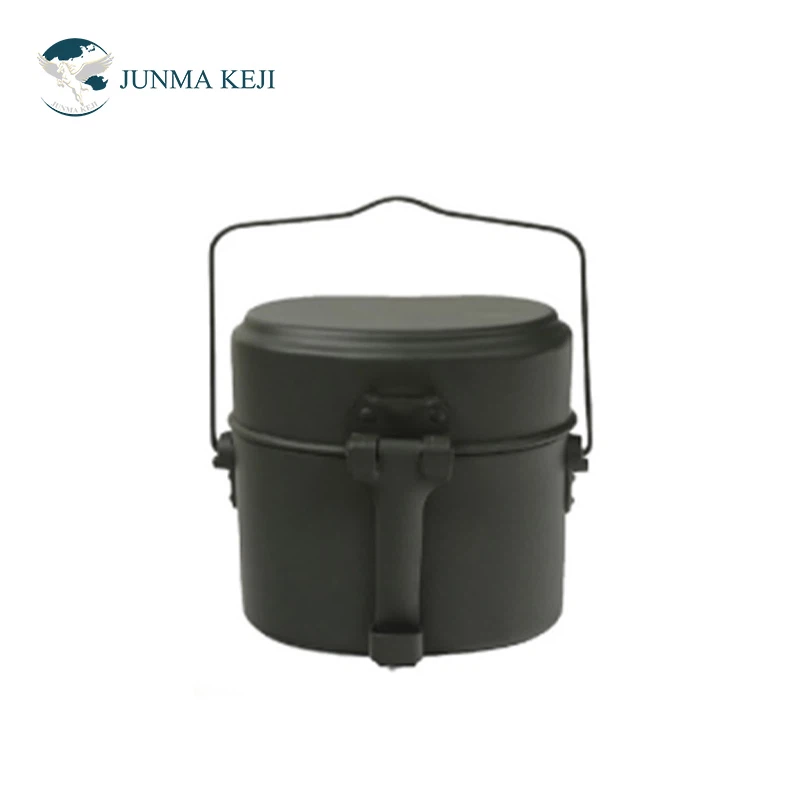
As a proud supplier of German Army Mess Kits, I've witnessed firsthand the importance of proper cleaning and maintenance. These mess kits are not only a practical item for military personnel but also a piece of history and functionality. In this blog, I'll share with you the best practices on how to clean German Army Mess Kits effectively.
Why Cleaning is Crucial
German Army Mess Kits are designed to withstand the rigors of military life, but they are not immune to dirt, grime, and food residues. Over time, if not cleaned properly, these mess kits can develop a build - up that can affect their performance and lifespan. Moreover, maintaining a clean mess kit is essential for health reasons, as it helps prevent the growth of bacteria and other harmful microorganisms.
Pre - Cleaning Inspection
Before you start the cleaning process, it's important to conduct a thorough inspection of the mess kit. Check for any signs of damage, such as dents, scratches, or loose parts. If you notice any significant damage, it may be necessary to repair or replace the affected components. This inspection also allows you to identify areas that may require extra attention during cleaning.
Gathering the Necessary Supplies
To clean your German Army Mess Kit effectively, you'll need the following supplies:

- Mild dish soap: Avoid using harsh chemicals or abrasive cleaners, as they can damage the finish of the mess kit.
- Soft - bristle brush: A soft - bristle brush is ideal for scrubbing away dirt and grime without scratching the surface.
- Warm water: Warm water helps to loosen food residues and makes the cleaning process easier.
- Microfiber cloth: Microfiber cloths are great for drying and polishing the mess kit.
Step - by - Step Cleaning Process
1. Disassemble the Mess Kit
Most German Army Mess Kits come with multiple components, such as pots, pans, lids, and utensils. Start by disassembling the mess kit to ensure that you can clean each part thoroughly. This also allows you to access hard - to - reach areas.
2. Rinse with Warm Water
Before applying any soap, rinse the mess kit components under warm water. This will help to remove any loose debris and food particles. Make sure to rinse both the inside and outside of each part.
3. Apply Mild Dish Soap
Add a small amount of mild dish soap to the warm water. Dip the soft - bristle brush into the soapy water and gently scrub the mess kit components. Pay special attention to areas with stubborn stains or food residues. For example, if there are burnt - on food particles on the bottom of a pot, use the brush to work the soap into the stains.
4. Clean the Utensils
The utensils that come with the German Army Mess Kit also need to be cleaned. Use the soapy water and the brush to clean the handles, tines, and blades of the utensils. Make sure to remove any dirt or food that may be stuck in the crevices.
5. Rinse Thoroughly
After scrubbing, rinse all the mess kit components under warm water to remove the soap. Make sure that there is no soap residue left on the parts, as this can affect the taste of food when the mess kit is used again.
6. Dry the Mess Kit
Use a microfiber cloth to dry each component of the mess kit. Make sure to dry the inside and outside thoroughly to prevent rust or corrosion. If possible, let the mess kit air - dry for a few additional minutes to ensure that all moisture is removed.
7. Reassemble the Mess Kit
Once all the components are dry, reassemble the mess kit. Make sure that all the parts fit together properly and that there are no loose connections.
Special Considerations for Different Materials
German Army Mess Kits can be made from various materials, such as aluminum and stainless steel. Each material requires slightly different cleaning approaches.
Aluminum Mess Kits
Aluminum is a lightweight and durable material commonly used in military mess kits. When cleaning an aluminum mess kit, avoid using abrasive cleaners or steel wool, as they can scratch the surface and cause the aluminum to oxidize. Instead, stick to mild dish soap and a soft - bristle brush. If the aluminum has developed a dull appearance, you can use a specialized aluminum cleaner to restore its shine. Check out our Military Aluminium Mess Kit for more information on aluminum mess kits.
Stainless Steel Mess Kits
Stainless steel is another popular material for German Army Mess Kits. It is resistant to rust and corrosion, but it can still accumulate dirt and stains. When cleaning a stainless steel mess kit, use the same mild dish soap and soft - bristle brush. To remove fingerprints or smudges, you can use a stainless - steel cleaner and a microfiber cloth.
Storage Tips
Proper storage of your German Army Mess Kit is also important to maintain its cleanliness and functionality. After cleaning and drying the mess kit, store it in a dry place. Avoid storing the mess kit in a damp environment, as this can lead to rust or corrosion. If possible, store the mess kit in a protective case or bag to prevent it from getting scratched or damaged.
Regular Maintenance
In addition to regular cleaning, it's a good idea to perform some maintenance tasks on your German Army Mess Kit. For example, check the gaskets on the lids periodically to make sure they are in good condition. If a gasket is damaged or worn out, replace it to ensure a proper seal.
Conclusion
Cleaning your German Army Mess Kit is an important part of its maintenance. By following the steps outlined in this blog, you can ensure that your mess kit remains in good condition and is ready for use whenever you need it. At our company, we are committed to providing high - quality German Army Mess Kits. If you're interested in purchasing Army Mess Kits or other military - style mess kits, such as the Russian Mess Tin, feel free to contact us for more information and to discuss your procurement needs. We look forward to working with you!
References
- Military equipment maintenance manuals
- Industry - standard cleaning guides for metal cookware