



Can a Survival Bottle be Used in Saltwater?
As a supplier of survival bottles, I often get asked whether our products can be used in saltwater. This is a crucial question, especially for those who are into water - based survival scenarios, such as boating, fishing, or coastal hiking. In this blog, I'll explore the viability of using survival bottles in saltwater, taking into account various factors like material, durability, and functionality.
The Impact of Saltwater on Different Bottle Materials
Survival bottles come in a variety of materials, each with its own reaction to saltwater.
Plastic Bottles
Plastic is a common material for survival bottles due to its lightweight and affordability. Most plastics are resistant to corrosion from saltwater to a certain extent. For instance, high - density polyethylene (HDPE) and polypropylene (PP) are polymers that can withstand the corrosive nature of saltwater over a short period. However, prolonged exposure to saltwater can cause some plastics to become brittle. The salt can seep into the microscopic pores of the plastic, gradually degrading its structure. UV rays from the sun, often present in saltwater environments, can exacerbate this problem. Over time, the plastic may crack or develop small holes, leading to leakage.
Stainless Steel Bottles
Stainless steel is a popular choice for survival bottles because of its durability. It is highly resistant to corrosion, making it suitable for use in saltwater. The chromium in stainless steel forms a passive oxide layer on the surface, which protects the metal from further oxidation. However, not all stainless steels are created equal. Grade 304 stainless steel is commonly used in many bottles, and it offers good resistance to saltwater. But for even better protection, grade 316 stainless steel, which contains molybdenum, is a better option. Molybdenum enhances the steel's resistance to pitting and crevice corrosion, which can occur in saltwater environments.
Aluminum Bottles
Aluminum is lightweight and has good strength - to - weight ratio. However, aluminum is more reactive with saltwater compared to stainless steel. When aluminum comes into contact with saltwater, it can undergo a process called galvanic corrosion. The saltwater acts as an electrolyte, and if there are any impurities or different metals in contact with the aluminum, it can accelerate the corrosion process. Nevertheless, many modern aluminum survival bottles are coated to protect the metal from the saltwater. Anodized aluminum bottles, for example, have a hard, protective oxide layer on the surface that can significantly reduce the risk of corrosion.
Durability and Long - term Use in Saltwater
Durability is a key factor when considering using a survival bottle in saltwater. A bottle that can withstand the harsh conditions of saltwater environments will be a reliable companion in a survival situation.
Sealing Mechanisms
The sealing mechanism of a survival bottle is crucial, especially in saltwater. A poor seal can allow saltwater to enter the bottle, contaminating the fresh water inside. Moreover, saltwater can corrode the sealing components over time, such as rubber gaskets. High - quality bottles are designed with robust sealing mechanisms that are resistant to saltwater corrosion. For example, some bottles use silicone gaskets, which are more resistant to the effects of saltwater compared to natural rubber.
Structural Integrity
In addition to the material's resistance to corrosion, the overall structural integrity of the bottle is important. Saltwater environments can be rough, with waves, rocks, and other potential hazards. A well - designed survival bottle should be able to withstand impacts and abrasions without losing its functionality. For instance, some military - grade survival bottles, like the Military Camping Bottle, are built to be tough and durable, making them suitable for use in saltwater scenarios.
Functionality in Saltwater Environments
Apart from durability, the functionality of a survival bottle in saltwater is also essential.
Freshwater Storage
The primary function of a survival bottle is to store freshwater. When using a bottle in a saltwater environment, it's crucial to ensure that the saltwater does not contaminate the freshwater supply. A good survival bottle should have a design that minimizes the risk of cross - contamination. For example, bottles with a wide mouth are easier to clean, which is important to prevent the buildup of salt residue inside the bottle.
Filtration and Purification
Some survival bottles come with built - in filtration or purification systems. These features can be especially useful in saltwater environments where access to fresh water may be limited. However, most filtration systems are designed to remove bacteria, protozoa, and sediment, not to desalinate water. If you are in a saltwater environment and need to obtain fresh water, you may need to use additional desalination methods, such as a solar still or a portable desalination device.
Our Product Range and Suitability for Saltwater
As a survival bottle supplier, we offer a diverse range of products suitable for different environments, including saltwater. Our French Military Canteen is made of high - quality anodized aluminum, which provides good protection against saltwater corrosion. It has a reliable sealing mechanism and a sturdy design, making it a great choice for coastal adventures.
Our Army Water Canteen is constructed from grade 316 stainless steel. This ensures maximum resistance to the corrosive effects of saltwater. It also has a leak - proof cap and a large capacity, making it ideal for long - term survival situations in saltwater areas.
Conclusion and Call to Action
In conclusion, whether a survival bottle can be used in saltwater depends on the material, durability, and functionality of the bottle. With the right choice of material and design, a survival bottle can be a reliable tool in saltwater environments. At our company, we are committed to providing high - quality survival bottles that meet the needs of our customers, even in the most challenging conditions.
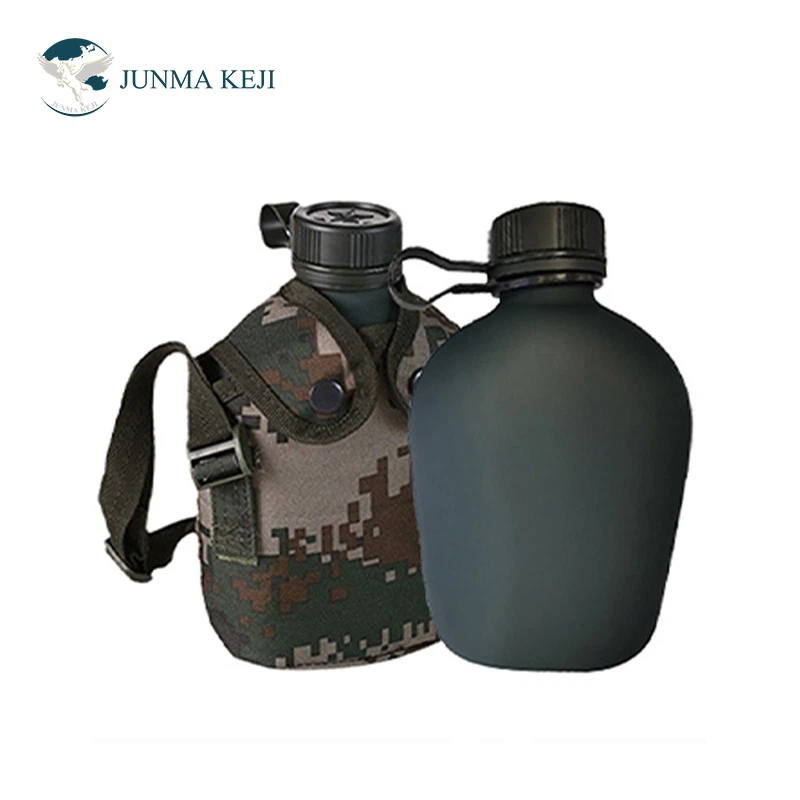

If you are interested in purchasing survival bottles for saltwater use or any other survival scenarios, we would love to hear from you. Contact us for more information and to start a procurement discussion. We look forward to helping you find the perfect survival bottle for your needs.
References
- "Corrosion of Metals in Seawater" - A technical report from a leading materials science research institute.
- "Survival Gear Handbook" - A comprehensive guide on survival equipment and their performance in different environments.
- Manufacturer's specifications for various survival bottles used in the analysis.