



Yo, folks! I'm a supplier of plastic canteens, and I get this question a lot: Are plastic canteens safe to use? Well, let's dive right into it and break it down.
First off, it's important to understand that not all plastics are created equal. There are different types of plastics used in making canteens, and each has its own properties and safety levels. The most common plastics used for canteens are polyethylene (PE) and polypropylene (PP). These plastics are known for being durable, lightweight, and resistant to chemicals. They're also food - grade, which means they're approved for contact with food and beverages.
Let's talk about polyethylene. It comes in two main types: high - density polyethylene (HDPE) and low - density polyethylene (LDPE). HDPE is a strong and rigid plastic. It's often used in the construction of canteens because it can withstand a fair amount of rough handling. LDPE, on the other hand, is more flexible. It's sometimes used for parts like the canteen's lid or spout. Both types of polyethylene are considered safe for storing water and other drinks. They don't leach harmful chemicals into the liquid, even when exposed to normal temperatures.
Polypropylene is another great option. It has a high melting point, which means it can handle hot liquids without deforming or releasing toxins. This makes polypropylene canteens a good choice for those who like to carry hot coffee or tea on the go. It's also resistant to stress cracking, so your canteen will last longer.
Now, I know there have been some concerns about plastics and chemicals like BPA (bisphenol A). BPA is a chemical that was once commonly used in plastics, but research has shown that it can have negative health effects, especially on hormone systems. The good news is that most plastic canteens these days are BPA - free. As a supplier, I make sure that all the canteens I offer are BPA - free to ensure the safety of my customers.
But what about when the plastic canteen is exposed to high temperatures? For example, if you leave your canteen in a hot car. Well, even though HDPE, LDPE, and polypropylene are heat - resistant, extreme heat can still potentially cause some changes. In very high temperatures, the plastic might start to break down at a microscopic level, which could lead to a small amount of chemical leaching. However, this is usually only a concern if the temperature is well above what you'd normally encounter. In most real - world situations, like a sunny day at the park or a moderately warm car, there's no need to worry.

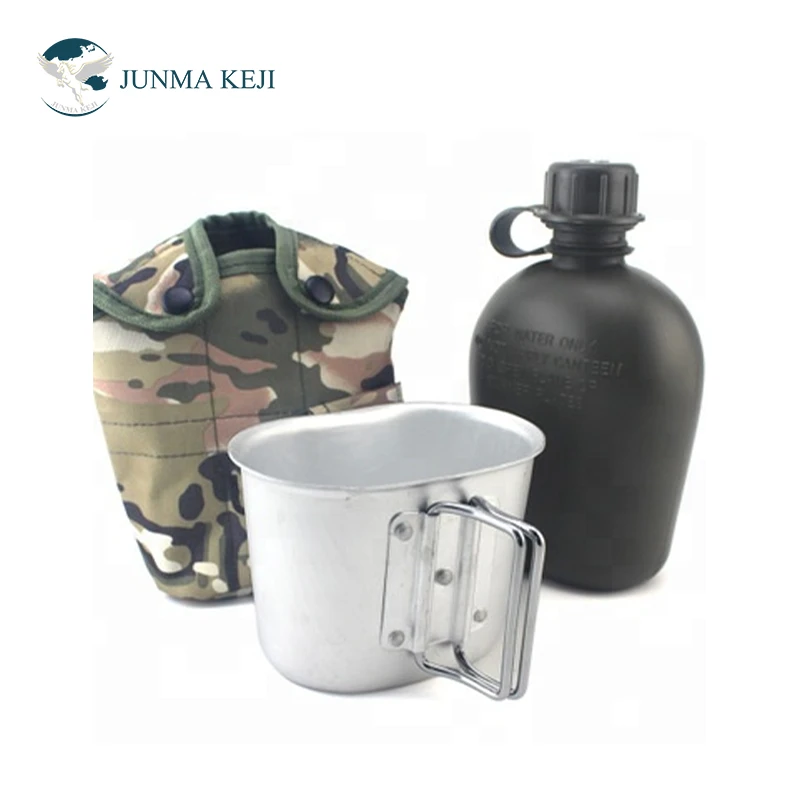
Let's take a look at some of the specific products I offer. I've got the Military Canteen Flask. This canteen is made from high - quality polyethylene, so it's super durable. It's designed to be used in tough military - style situations, but it's also great for outdoor enthusiasts. Whether you're hiking, camping, or just going for a long walk, this canteen will keep your drinks safe and fresh.
Another popular product is the Military Plastic Canteen Kettle. It's made from polypropylene, which means you can use it to carry hot drinks. It's got a sturdy design and a leak - proof lid, so you don't have to worry about spills.
And of course, there's the Military Plastic Canteen. This is a classic choice. It's lightweight, easy to carry, and made from safe, food - grade plastic. It's suitable for all kinds of activities, from school trips to sports events.
Now, let's talk about cleaning. Keeping your plastic canteen clean is essential for maintaining its safety. You should wash it regularly with mild soap and warm water. Avoid using harsh chemicals or abrasive cleaners, as they can damage the plastic and potentially cause it to release chemicals. If there's a stubborn stain or odor, you can try soaking the canteen in a mixture of baking soda and water. This will help to neutralize the smell and clean the inside of the canteen without harming the plastic.
In terms of long - term use, plastic canteens can last a long time if they're taken care of properly. However, like any product, they do have a lifespan. Over time, the plastic might start to show signs of wear and tear, such as scratches or cracks. If you notice any damage to your canteen, it's a good idea to replace it. A damaged canteen might not be as safe, as it could potentially leak or allow bacteria to grow inside.
To sum it up, plastic canteens made from HDPE, LDPE, or polypropylene are generally safe to use. They're BPA - free, resistant to chemicals, and can handle normal temperatures. As long as you take care of your canteen, clean it regularly, and replace it when it's damaged, you can enjoy using it for years to come.
If you're interested in purchasing plastic canteens for your business, school, or personal use, I'd love to have a chat with you. Just reach out, and we can discuss your specific needs and requirements. Whether you need a small batch or a large order, I'm here to help.
References
- "Plastic Materials and Their Properties" - A textbook on plastics engineering
- "Health Effects of BPA" - Research papers from scientific journals on the impact of BPA on human health
- "Safe Use of Plastic Containers" - Guidelines from health and safety organizations